Cuvée presentation
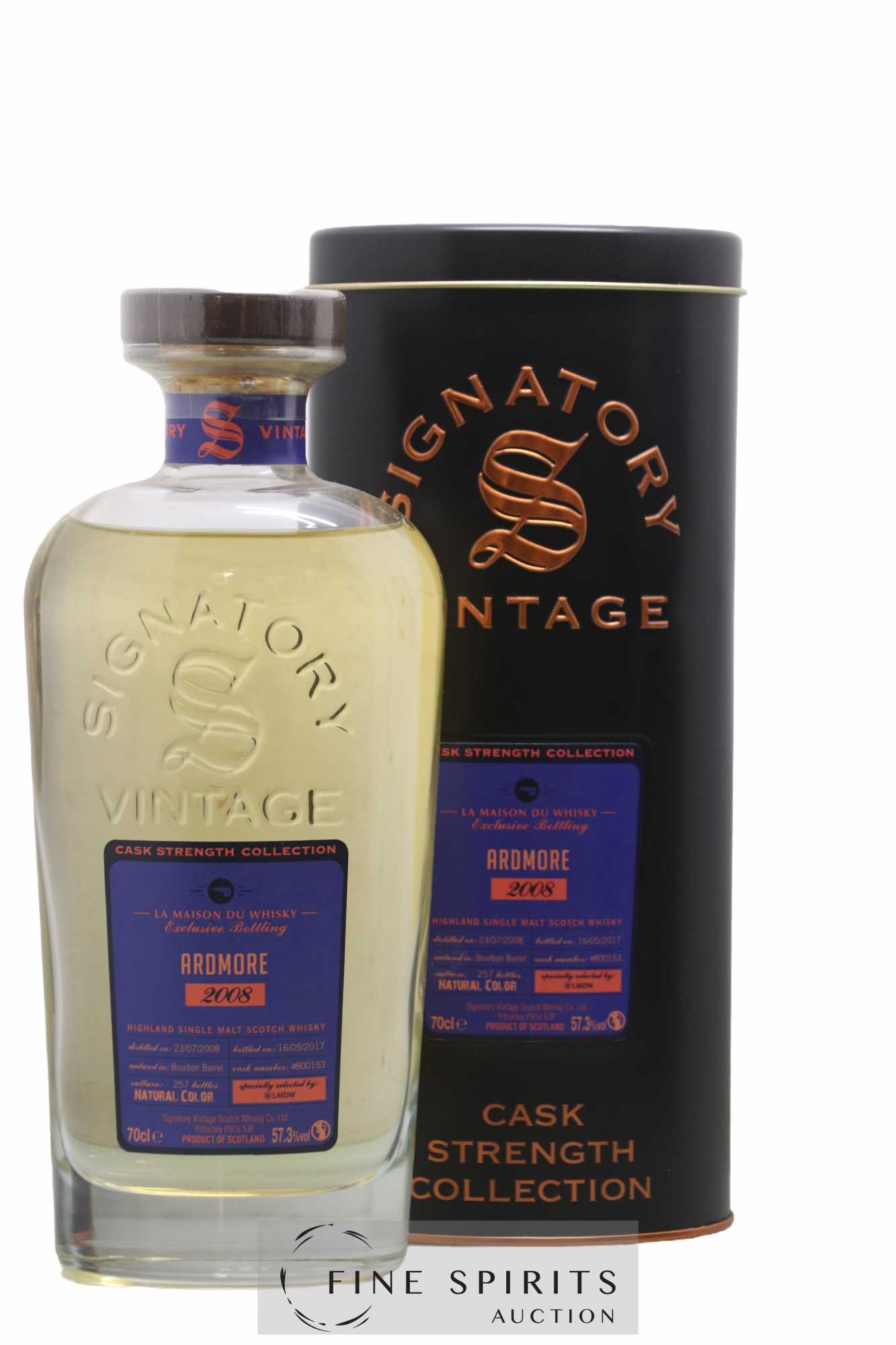
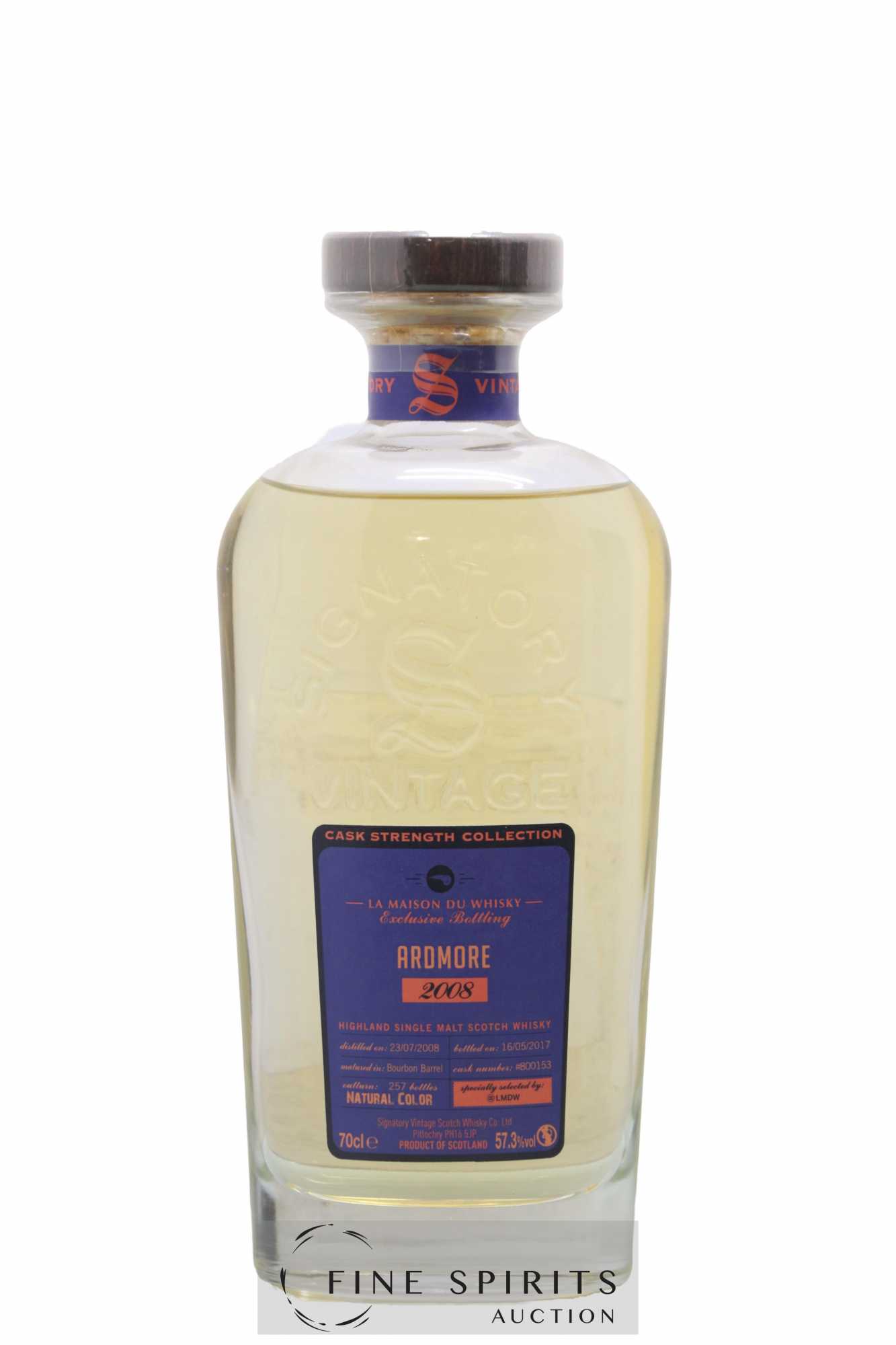
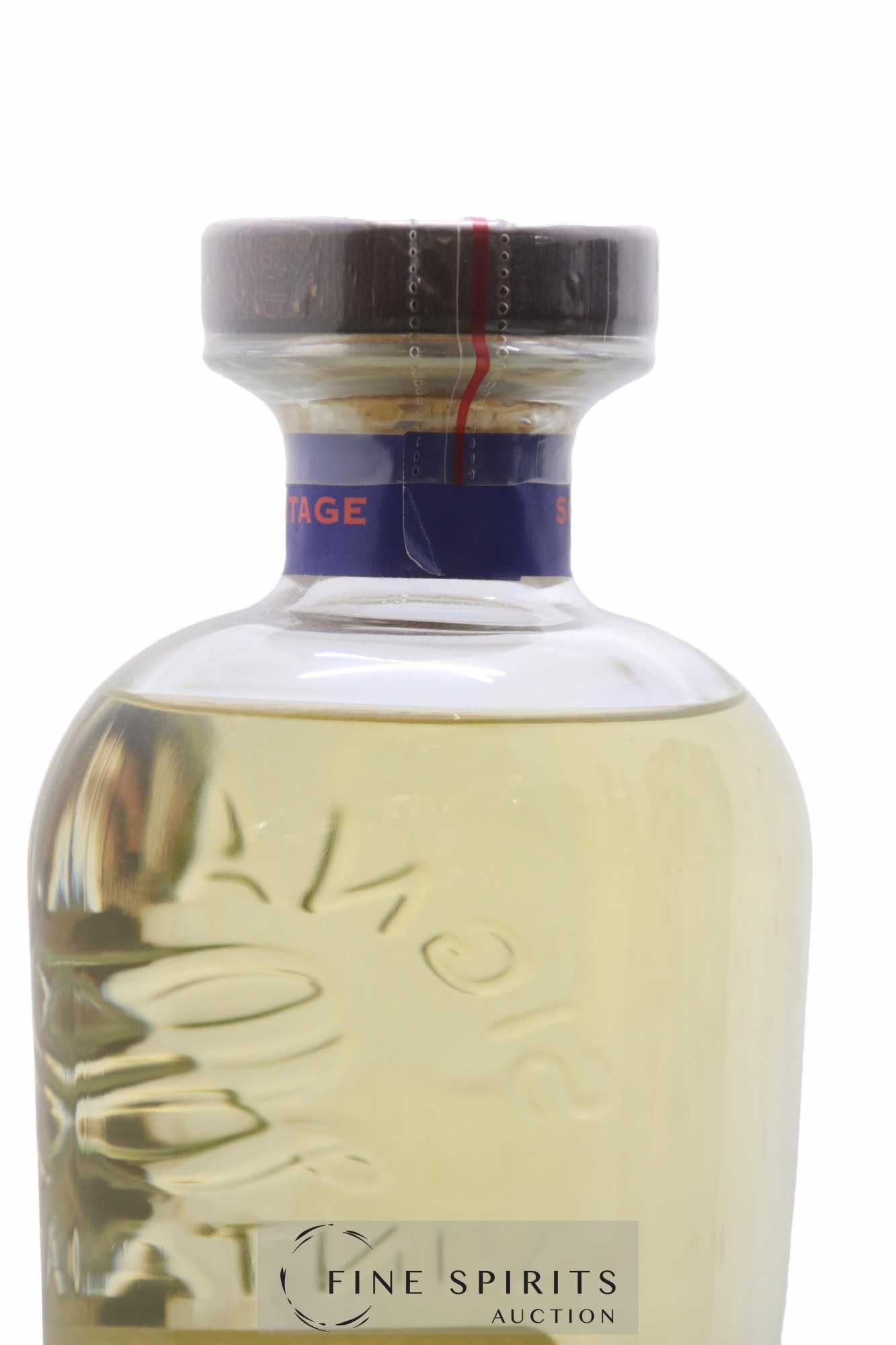
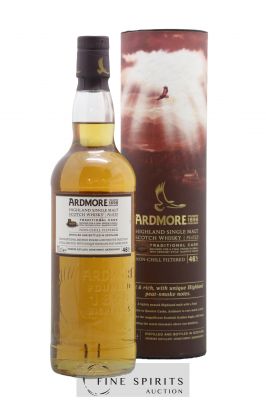
A single cask (#800153) from Ardmore distilled in 2008, aged in a bourbon cask and bottled in 2017 for La Maison du Whisky. Signatory Vintage's founder Andrew Symington first joined the whisky industry when he began selecting casks for Prestonfield House Hotel in Edinburgh. In 1988, the adventure continued when he founded Signatory Vintage, investing in a small bottling chain set up in his warehouses in Edinburgh. He began releasing editions bottled at cask strength without chillfiltration or colouring, practices that were still rare in the late 1980s. The legendary series of “Dumpy bottles” notably included information previously seldom seen on labels, such as the cask number, cask type and number of bottles. The bottle number was also written by hand. Signatory Vintage developed a strong reputation by selling not only iconic whiskies from well-known distilleries (Springbank, Ardbeg, Laphroaig and Bowmore) but also bottlings from very rare distilleries such as Ben Wyvis, Glen Flagler and Killyloch, and of course the many versions distilled in the Lomond stills of Miltonduff (Mosstowie), Glen Keith (Craigduff, Glenisla) and Glenburgie (Glencraig). Finally, in 2002, Andrew Symington bought the Edradour distillery in Pitlochry, in the Highlands of Scotland. Signatory Vintage was moved to the site, along with its warehouses, which face the distillery. A limited edition of 257 bottles.
The distillery Ardmore
Scotland, Speyside. Distillery operational. Owner: Beam - Suntory
Somewhat unusually for the Scotch whisky industry, the Ardmore distillery was built entirely by the William Teachers & Son blending company in 1897 in order to create a supply of malt for its blended scotches, including Teacher's Highland Cream, which was released in 1884. Ardmore remained in the family fold until 1976, when it was bought by the Allied Breweries Group, and then Allied Domecq. Founded on this unusual heritage, the distillery continued to maintain its singularity for some time. It produced a partly peated malt (10-15 ppm) and used direct-fired stills until 2001 (a method abandoned by almost all distilleries in the 60s and 70s). These distinctive traits helped build its unique character and would grant it a special place in the family of Speyside malts. Ardmore owes its renown, however, not just to its individuality but also to independent bottlers who, from an early stage, took the malt in hand and introduced it to enthusiasts. With distillery versions almost non-existent, two versions of Ardmore are particularly prized, the Ardmore 16 Year Old Pure Malt Whisky (70s) and the Ardmore 15 Year Old Pure Malt Whisky (80s).
Report a problem with this lot ? Report