Cuvée presentation
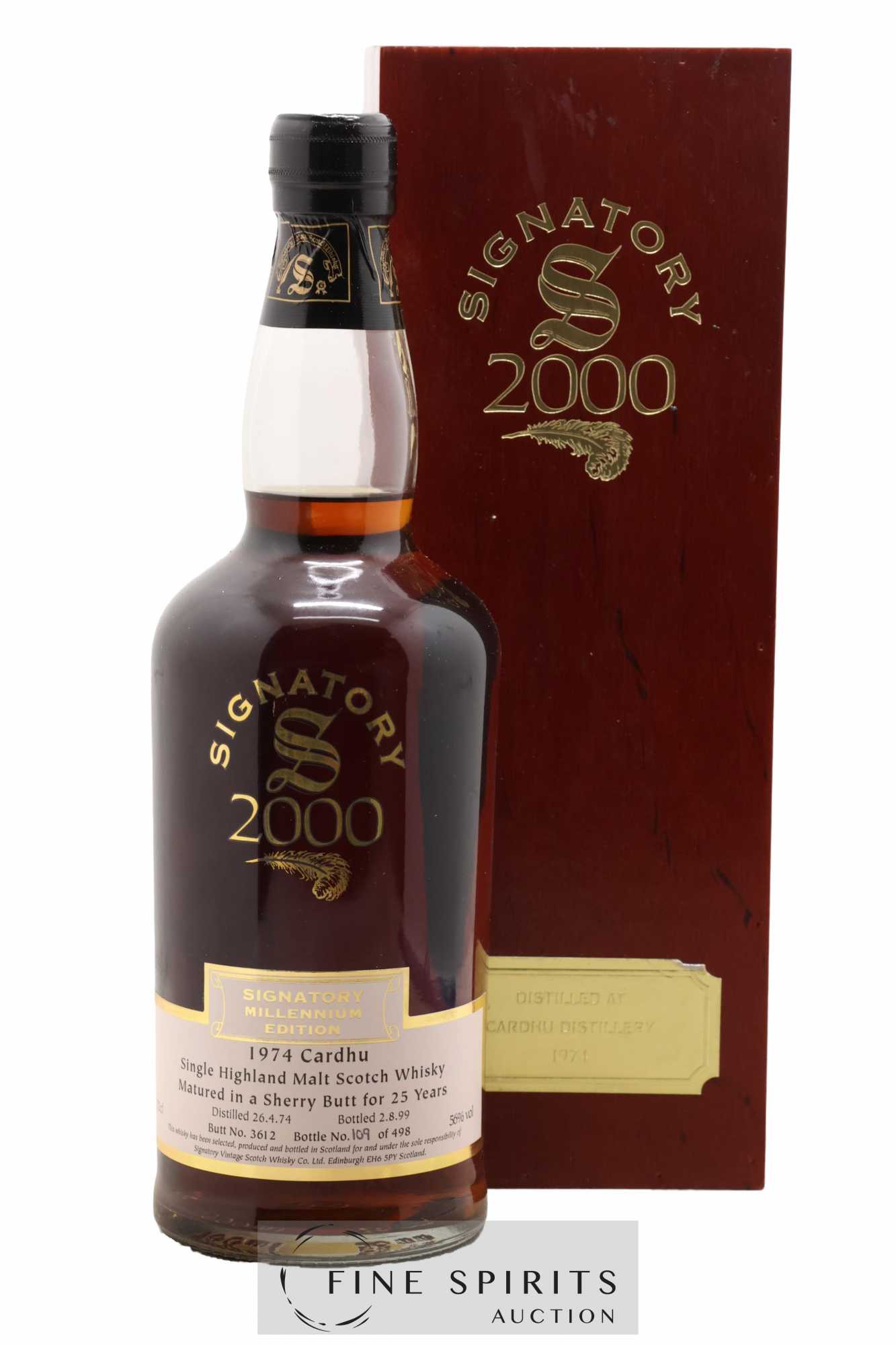
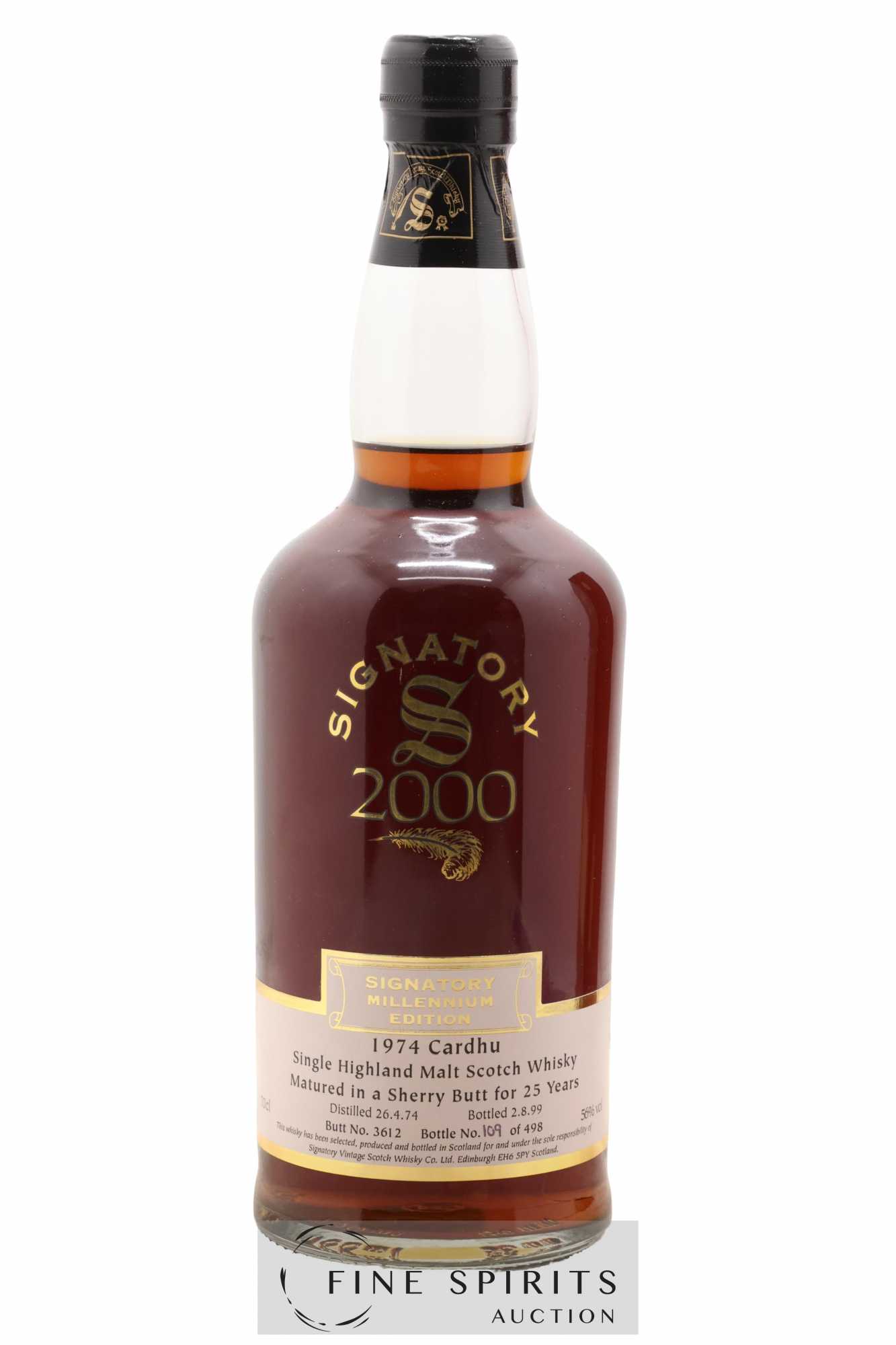
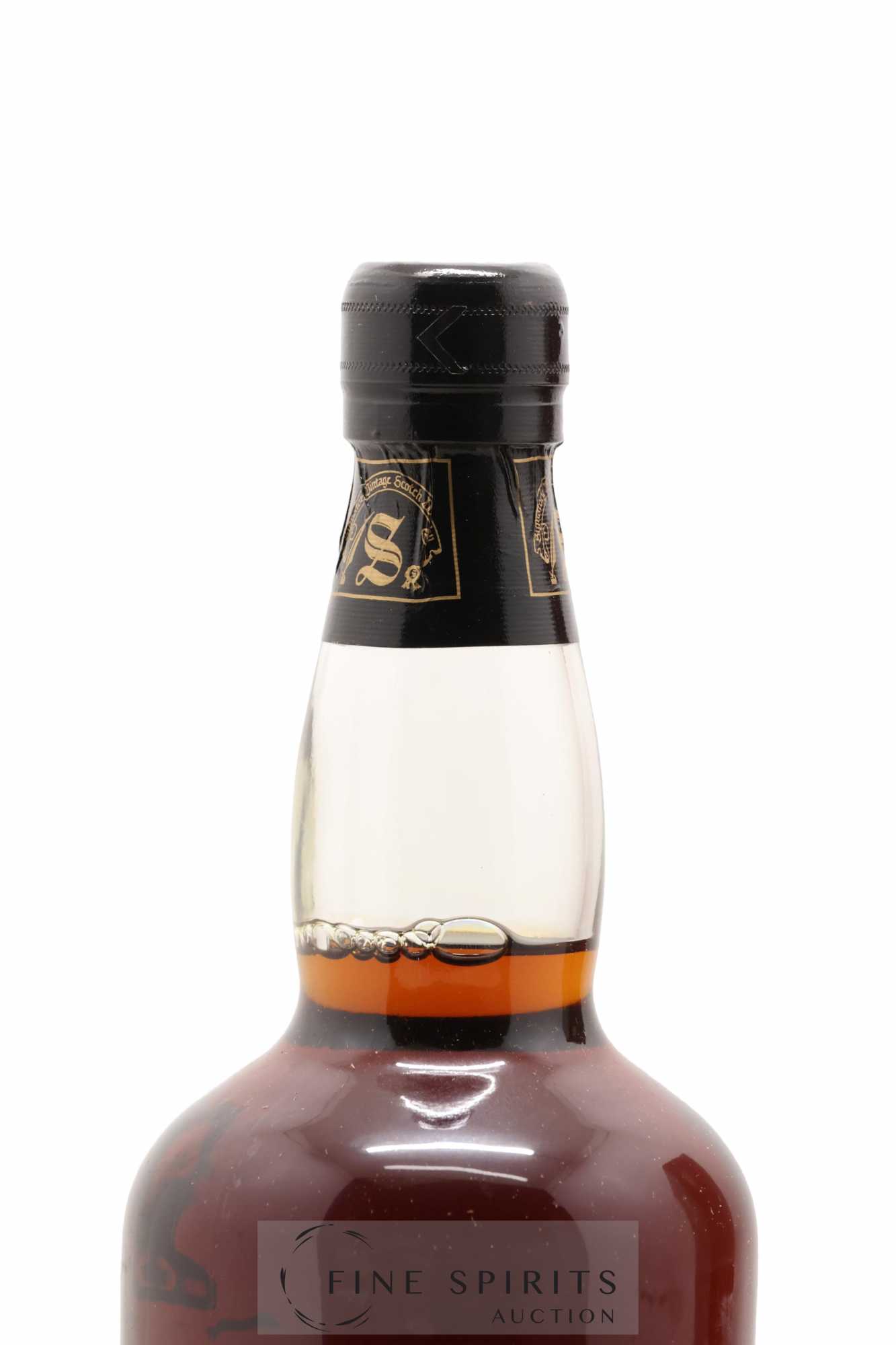
Single cask (#3612) de Cardhu distillé en 1974, vieilli dans un fût de sherry et embouteillé en 1999. Andrew Symington, fondateur de Signatory Vintage, commence son activité dans le whisky en sélectionnant des fûts pour le Prestonfield House Hotel à Edimbourg. C’est ainsi que débute l’aventure d’Andrew Symington dans le whisky et qu’il lance par la suite Signatory Vintage en 1988. Ce dernier investit dans une petite chaîne d’embouteillage qu’il installe au sein de ses chais à Edimbourg. Il commence par embouteiller au degré naturel, sans filtration à froid et sans colorant, ce qui était encore des méthodes peu courantes à la fin des années 1980. La mythique série des « Dumpy bottle » affichait notamment des informations qui, jusque-là, n’étaient pas divulguées par les embouteilleurs comme le numéro du fût, le type de fût, le nombre de bouteilles… Les numéros de bouteilles étaient également inscrits à la main. Signatory Vintage s’est forgé une grande réputation en vendant non seulement des whiskies mythiques provenant de distilleries légendaires (Springbank, Ardbeg, Laphroaig ou Bowmore) mais également en réalisant des embouteillages issus de distilleries extrêmement rares comme Ben Wyvis, Glen Flagler ou Killyloch. Sans oublier les nombreuses versions distillées dans les alambics Lomond de Miltonduff (Mosstowie), Glen Keith (Craigduff, Glenisla) ou Glenburgie (Glencraig). Enfin, en 2002, Andrew Symington fait l'acquisition de la distillerie Edradour, à Pitlochry dans les Highlands. Il y relocalise aussi Signatory Vintage dont les chais font face à la distillerie. Édition limitée à 498 bouteilles.
The distillery Cardhu (Cardow)
Scotland, Speyside. Distillery operational. Owner: DiageoRanked “first class” by the main players in the Scotch whisky industry, Cardhu (aka Cardow) was, from the late 19th century, the leading malt of the famous Scottish dandy Johnnie Walker. Johnnie Walker & Sons bought the distillery in 1893. In response to the period of prosperity following WWII, Cardhu's production capacity was significantly increased and in the late 1960s, its owners, the Distillers Company Ltd (the future Diageo) launched an 8 year old version with a very marked sherry influence. This bottling was quickly replaced by a 12 year old version that would become the standard age statement for Cardhu, now matured in bourbon casks. In the mid-1980s, Cardhu completed its final metamorphosis and adopted its current small, square, stocky bottle. It was such a success that a major part of its production was quickly reserved for the bottling, threatening the balance on which the Johnnie Walker blend depended. The solution proposed was the release in the very early 2000s of Cardhu 12 Year Old Pure Malt (no longer a single malt). Arousing the ire of the Scotch Whisky Association, this version was phased out and has now become a collectable. Note that very few independent bottlings of Cardhu exist.
Report a problem with this lot ? Report