Cuvée presentation
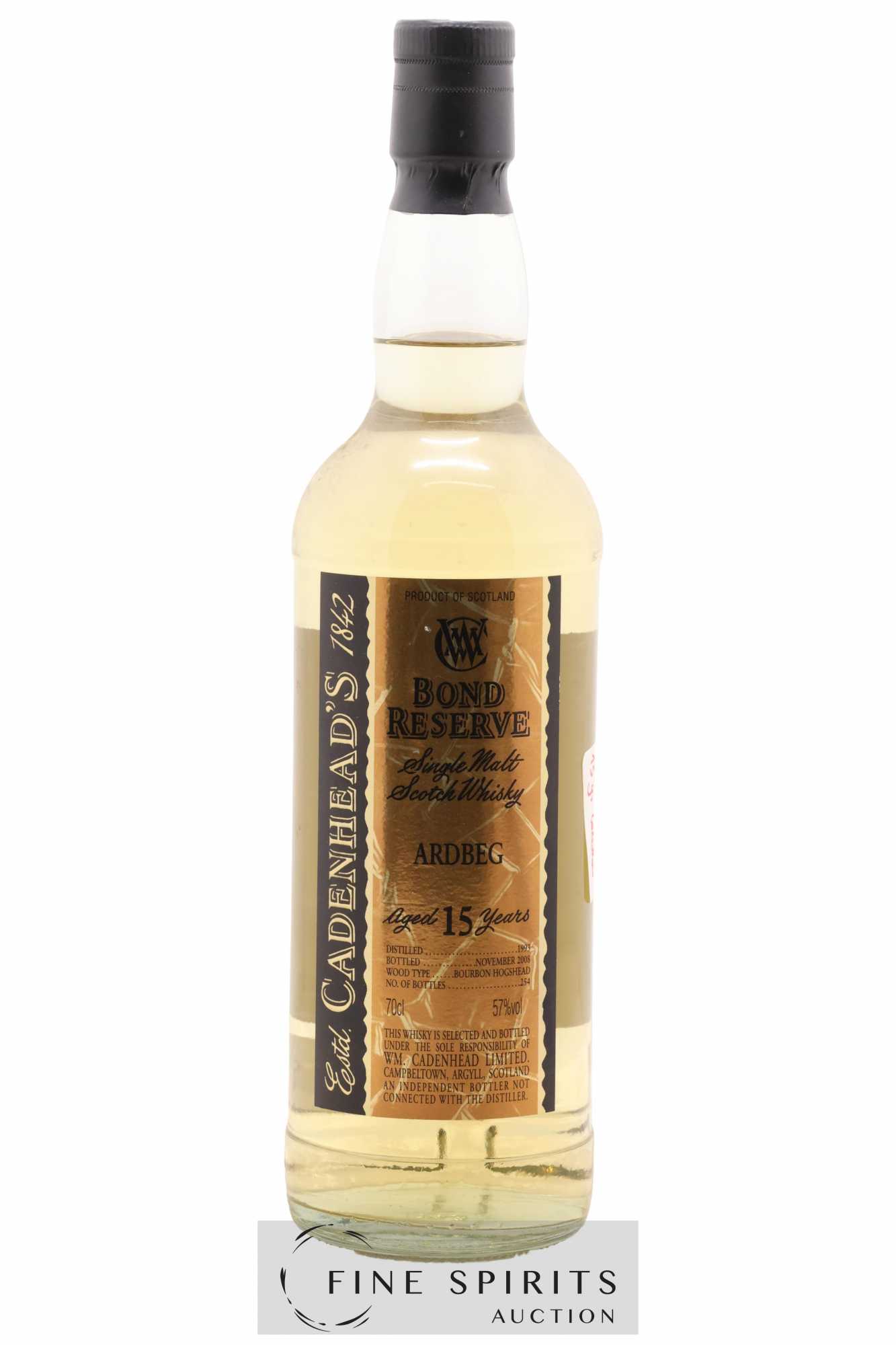
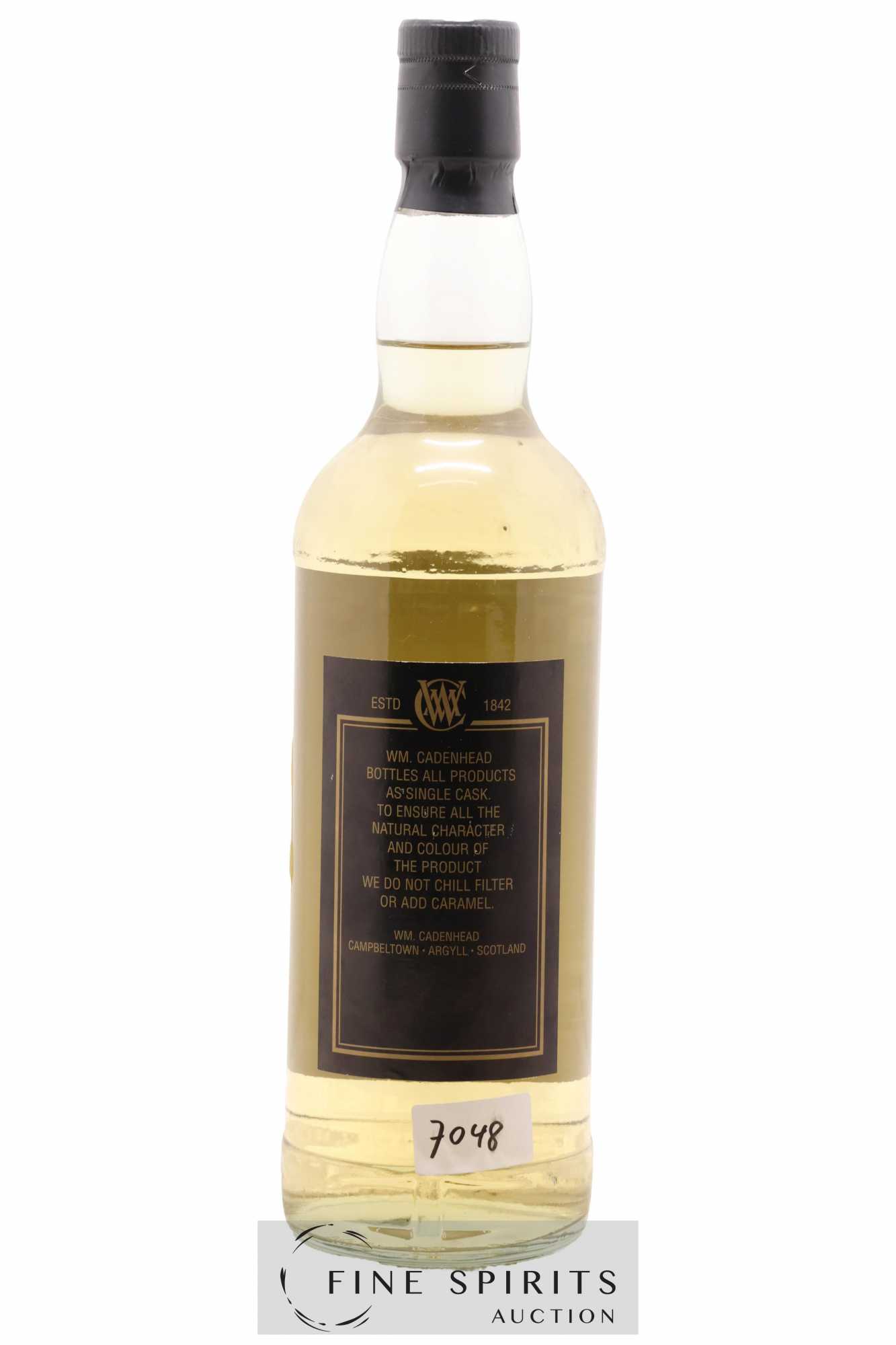
A single cask from the Ardbeg distillery, distilled in 1993, aged in a bourbon barrel and bottled in 2008. Cadenhead was founded in Aberdeen in 1842 by George Duncan. William Cadenhead then joined the company and, when George Duncan died in 1858, took over and renamed the business after himself. William’s nephew Roberth Duthie developed the company in the early 20th century and it remained a family business until 1969. William Cadenhead Ltd was then sold to the Springbank distillery’s owner J. & A. Mitchell and Co. Hedley G. Wright, a direct descendent of Archibald and John Mitchell, became William Cadenhead Ltd’s CEO. In the past, Cadenhead had mainly sold its own brands, such as Putachieside, The Hielanman, Seven Stars and Green Label rums. Under Hedley G. Wright, the company began to take more of an interest in single malts. This led to the creation of the legendary collection of dumpy bottles in 1977. This series of single malts stood out for its very gentle filtration, lack of artificial colouring, and relatively high bottling strength for the time (80 proof/45.7% ABV). The labels included lots of information, including the month and year of distillation and bottling, and whether or not sherry casks were used. Also in 1977, the business moved to another address in Aberdeen, and finally to Campbeltown. In the 1980s, Cadenhead sold casks to legendary bottlers such as Samaroli and Corti Brothers through the subsidiary Duthie’s. Finally, two new whisky ranges were created in 1991 and 1992, the Original Collection bottled at 46% and the Authentic Collection bottled at cask strength. Other special series to mark Cadenhead’s major anniversaries (150 and 175 years), as well as new ranges launched since (Small Batch, World Whiskies, etc.), have all contributed to the company’s ongoing history up to the present day. A limited edition of 254 bottles.
The distillery Ardbeg
Scotland, Isle of Islay. Distillery operational. Owner: LVMH - Diageo
Founded in 1815 by McDougall & Co. in the south-east of Islay, near the Kildalton Cross, Ardbeg's malt was for a long time overshadowed by its neighbours and competitors Lagavulin and Laphroaig.It was under the patronage of the McDonald family (Glenmorangie Plc), who bought the distillery in 1997, that it was able to develop its potential and introduce the public to the treasures sleeping in its vaults. Between September and November 1997, no less than three bottlings - two of which would become great classics - were released on the market, the Ardbeg 17 Year Old, Ardbeg 1978 and Ardbeg Provenance 1974. The following decade was rich in single cask, cask strength bottlings matured in sherry and bourbon casks, each more impressive than the next. And it was dressed in a new green bottle with confident Celtic-Gothic aesthetics that Ardbeg flooded the market for fans of malts dominated by aromas of smoke, peat and tiger balm.
Report a problem with this lot ? Report