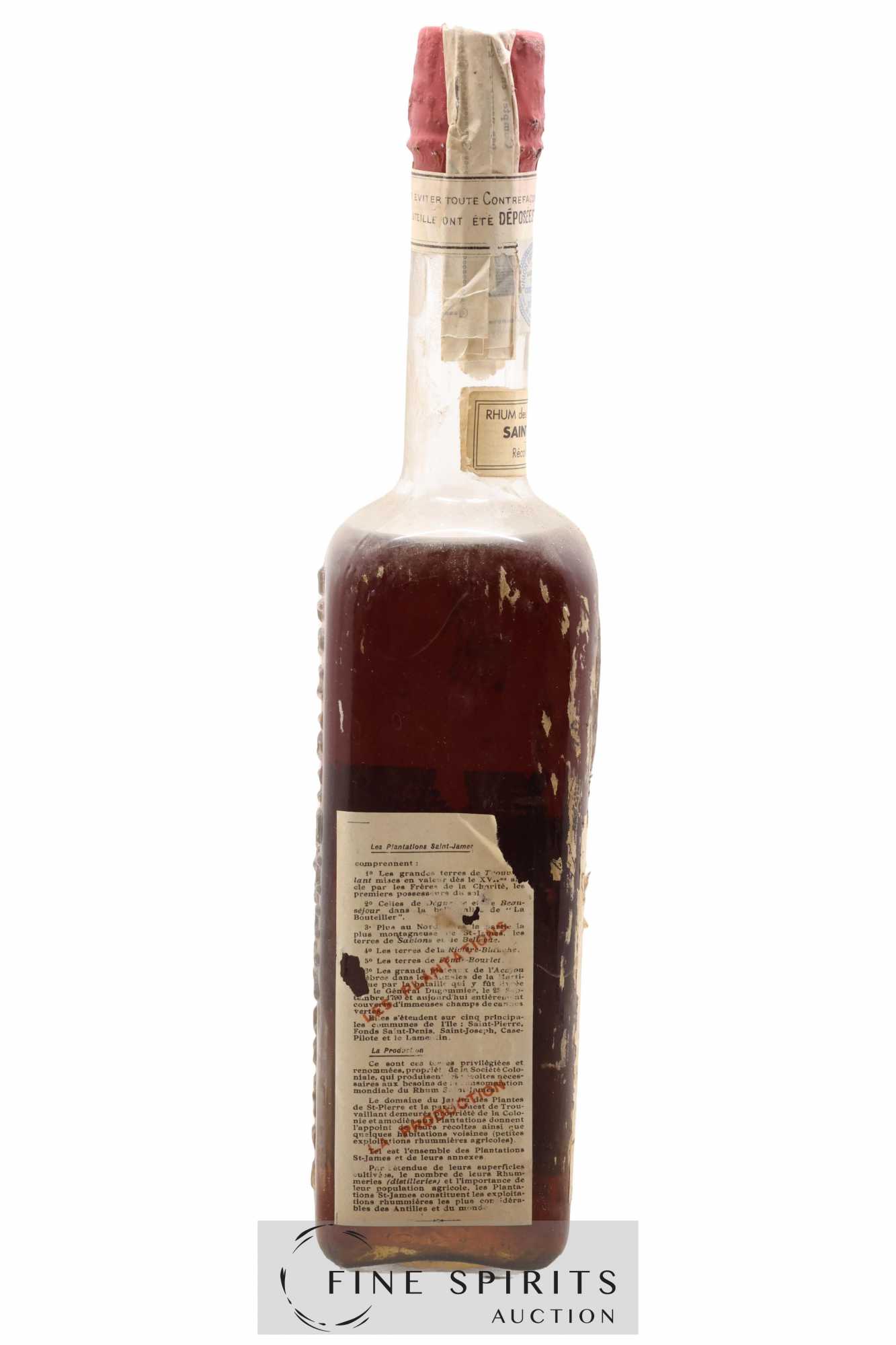
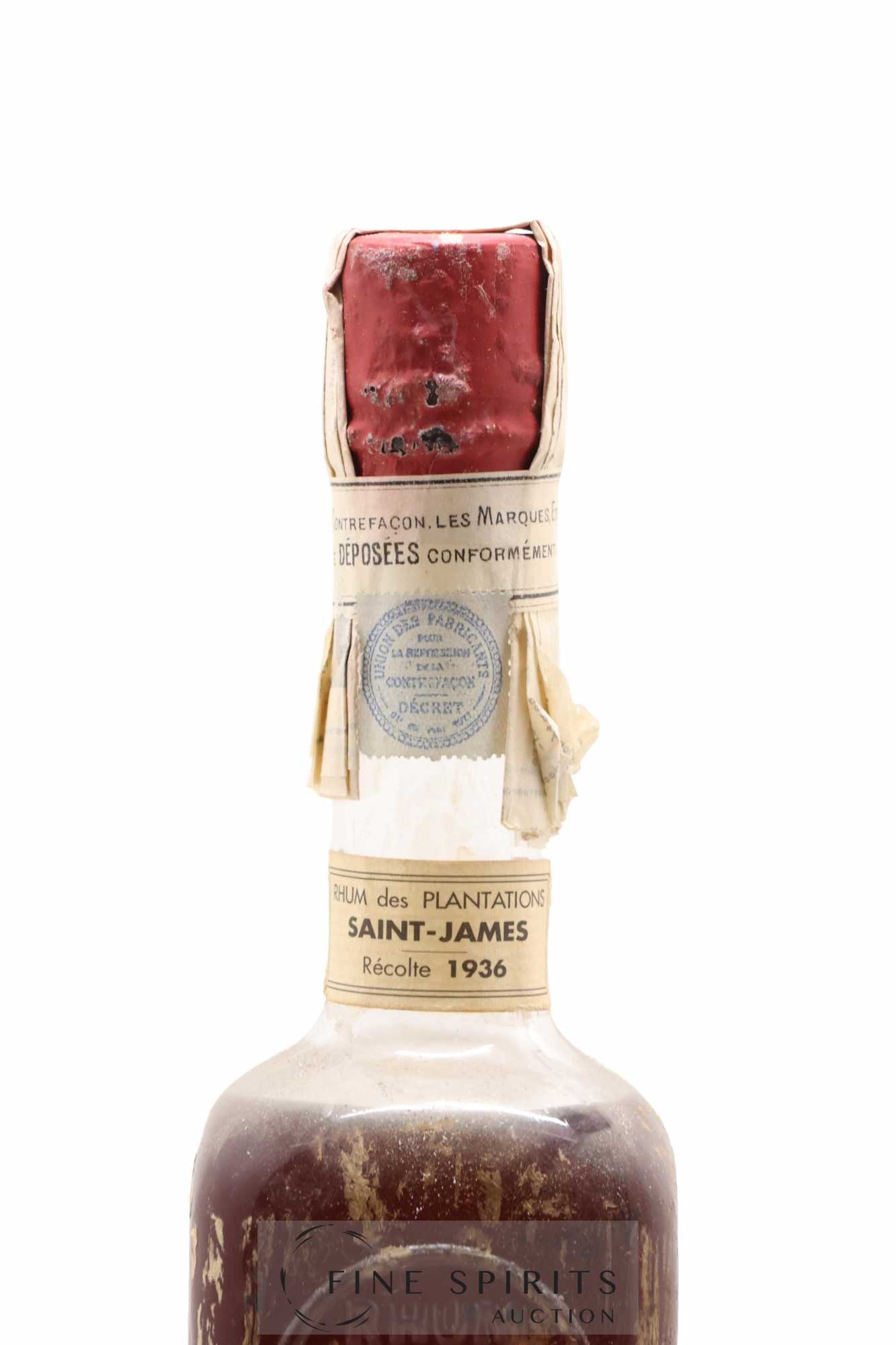
Cuvée presentation
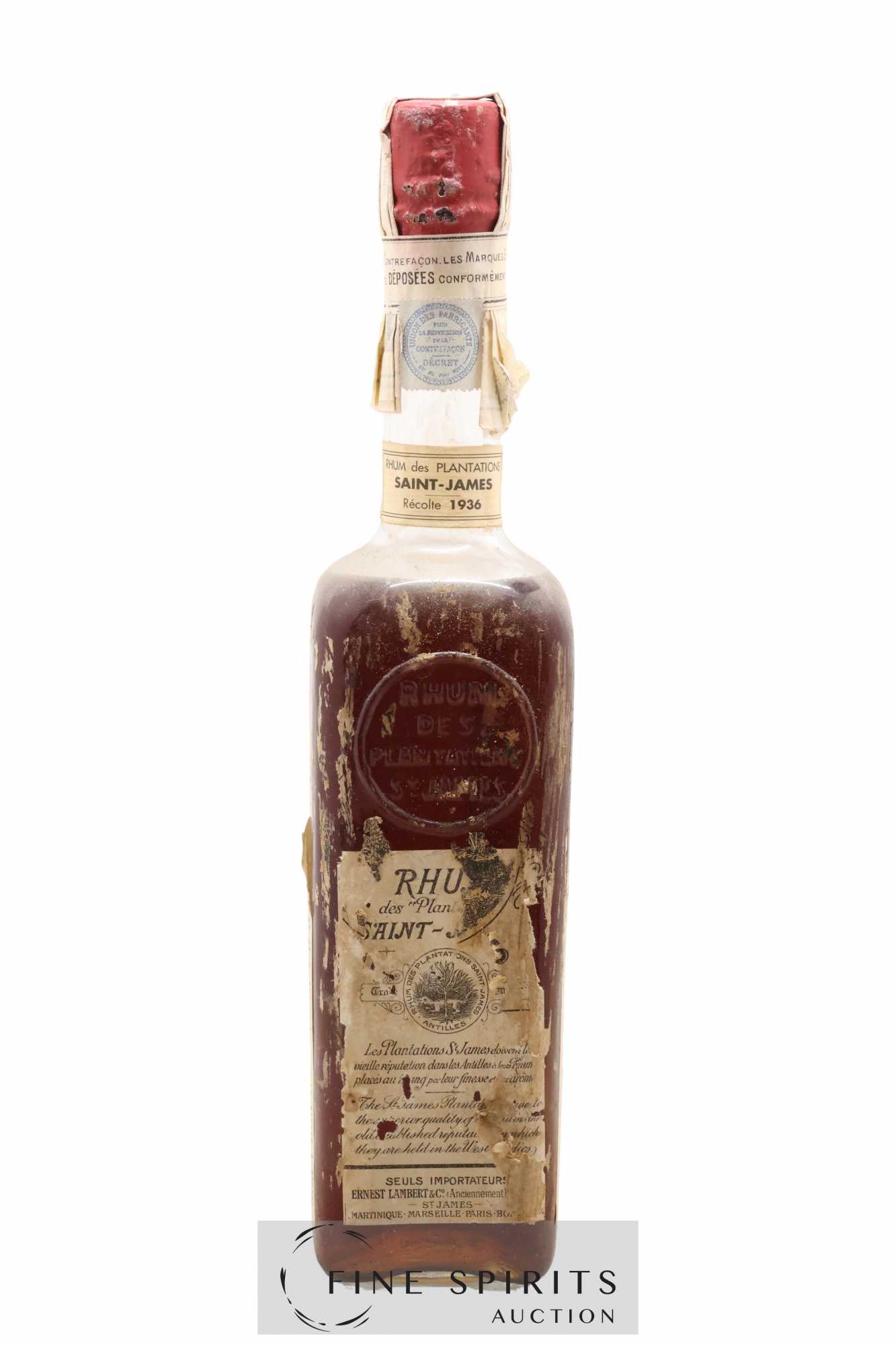
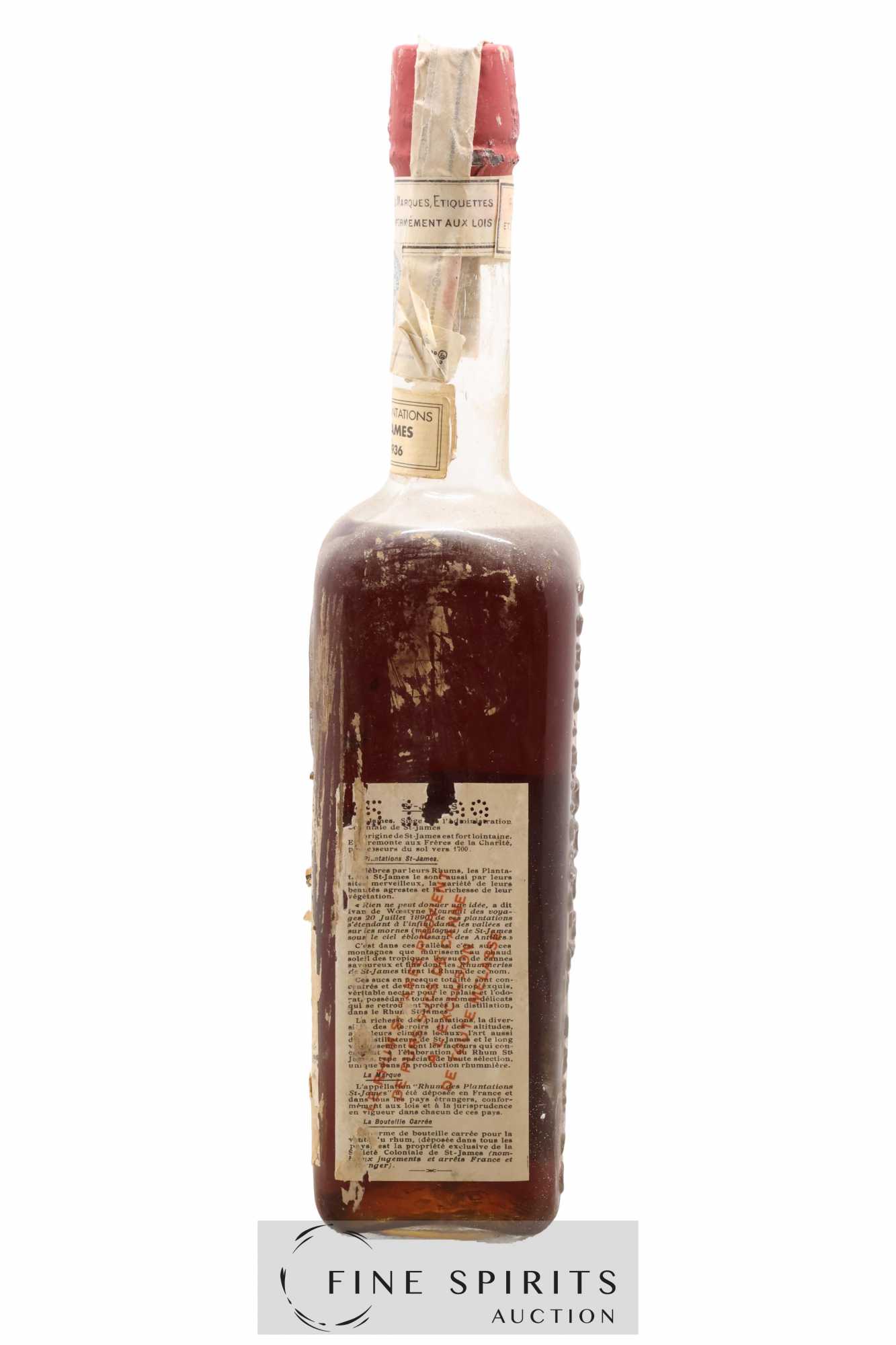
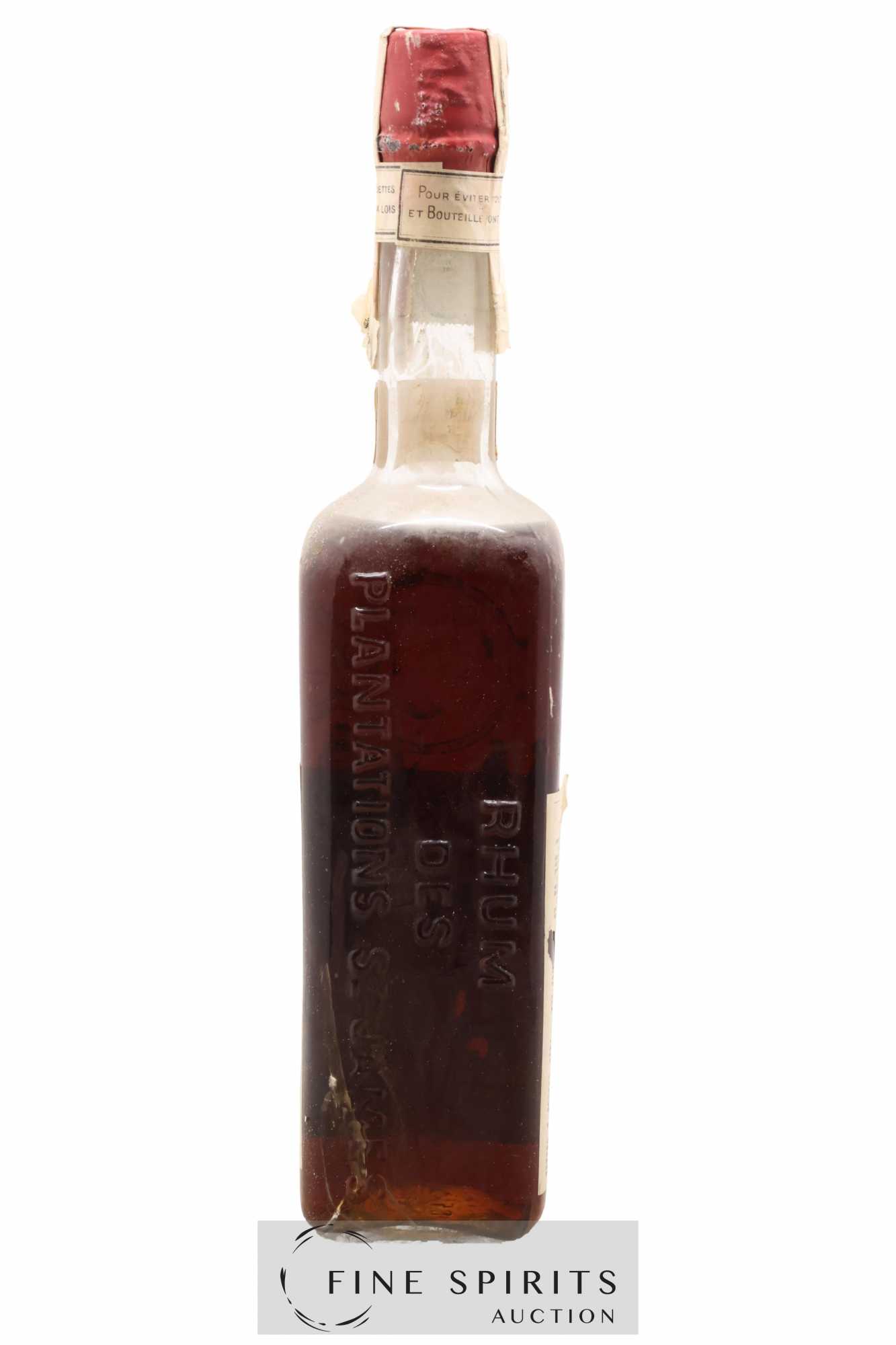
A Saint James agricole rum distilled in 1936. In addition to the famous 1885 vintage, there was also an 1884 vintage which was never put on the market, but which was famously served at a banquet in Paris in September 1900, hosted by the then President Émile Loubet. The vintages were produced consecutively but unfortunately there are few traces of these remaining, as a result of people choosing not to retain or archive bottles over time. The world had to wait until the 1900s to find traces of its glorious past and it came through one lucky collector who had 1909 and 1910 vintages, which are undoubtedly priceless. The 1925 and 1929 vintages, some of the oldest currently identifiable, were just as carefully preserved at the Saint-James distillery. Strangely, it is almost more difficult to get your hands on certain vintages from the 1930s than on the 1885 vintage these days. However, it seems that they were released in a larger quantity, but conservation was not in fashion. The following years (1940) were marked by the war, various restrictions and the halt of maritime trade. Thus, the last rum to be released from the distillery was the 1941 vintage, which, of course, carried a heavy symbolic weight, and it was several years before we finally saw any again (the years 1946, 1947 and 1949 have been officially identified).
The distillery Saint James
In the second half of the 18th century, Martinique became a major sugar producer. The Trou Vaillant habitation, managed by the Brothers of Charity, was home to stills used to distil molasses residue to raise financial support for the Saint-Pierre military hospital at the foot of Mount Pelée which they ran. Father Edmond Lefébure, the head of the congregation, took matters into hand and organized the export of excess rum supplies to the English colonies in North America, as it was illegal to export the product to France to prevent competition with wine-based spirits. It was sold under the name Saint James, which was easier for the English to pronounce and named after Saint Jacques, one of the estate’‘s habitations. In the 19th century, Martinique became a leading rum producer. The brand was registered in 1882 after it was bought by Paulin Lambert, a Marseilles businessman who purchased several habitations and oversaw the production of rum and its export to mainland France, making the most of the Restoration to acquire properties from religious orders that had been nationalized during the French Revolution. Lambert was also behind the square-shaped bottle found today and used for the first vintage rum released by the house in 1885. The brand became a huge success despite the damage caused by the eruption of Mount Pelée in 1902. The company was bought by Cointreau in 1973, who grouped all the facilities together in Sainte-Marie.
Report a problem with this lot ? Report