Cuvée presentation
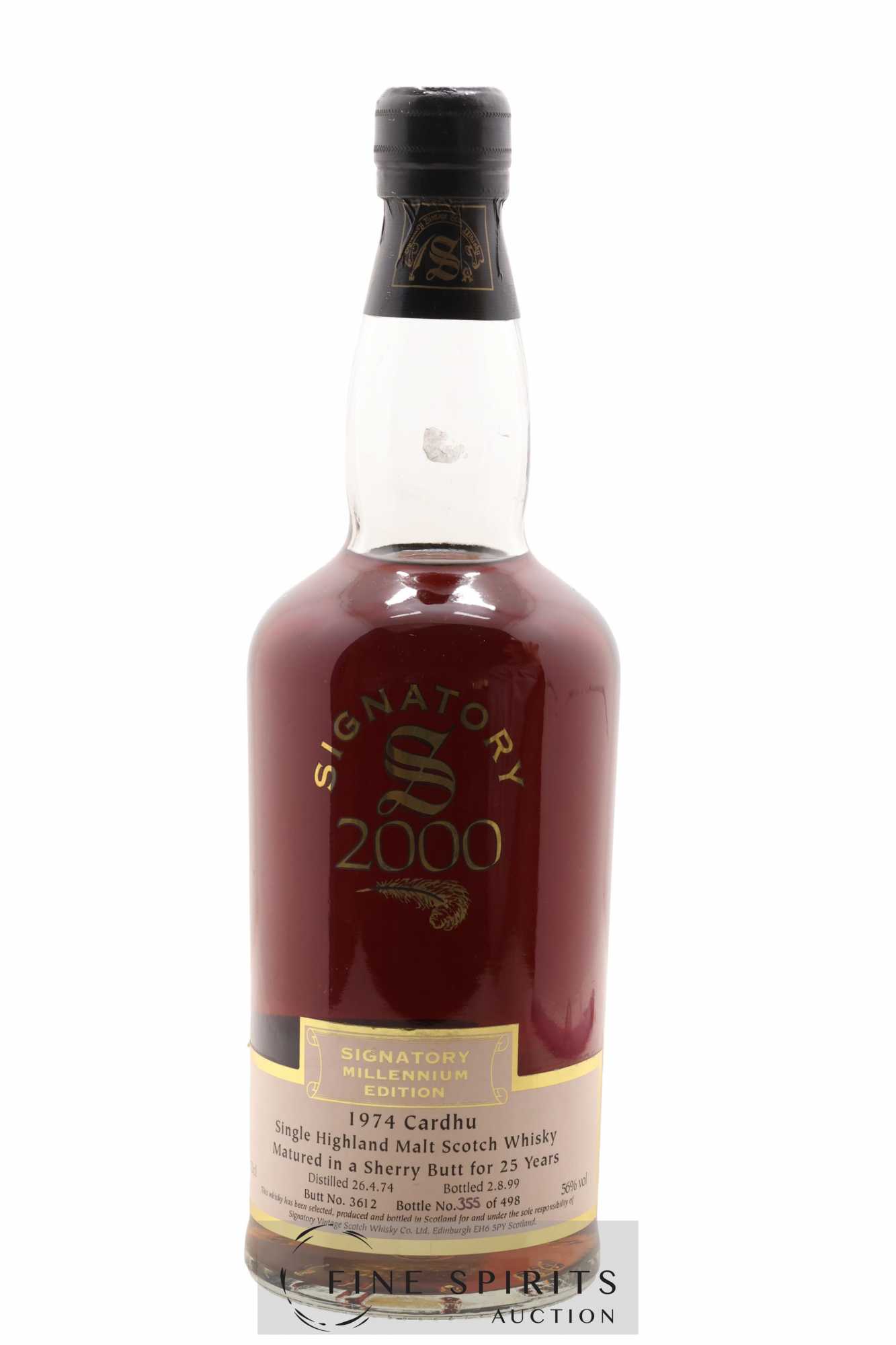
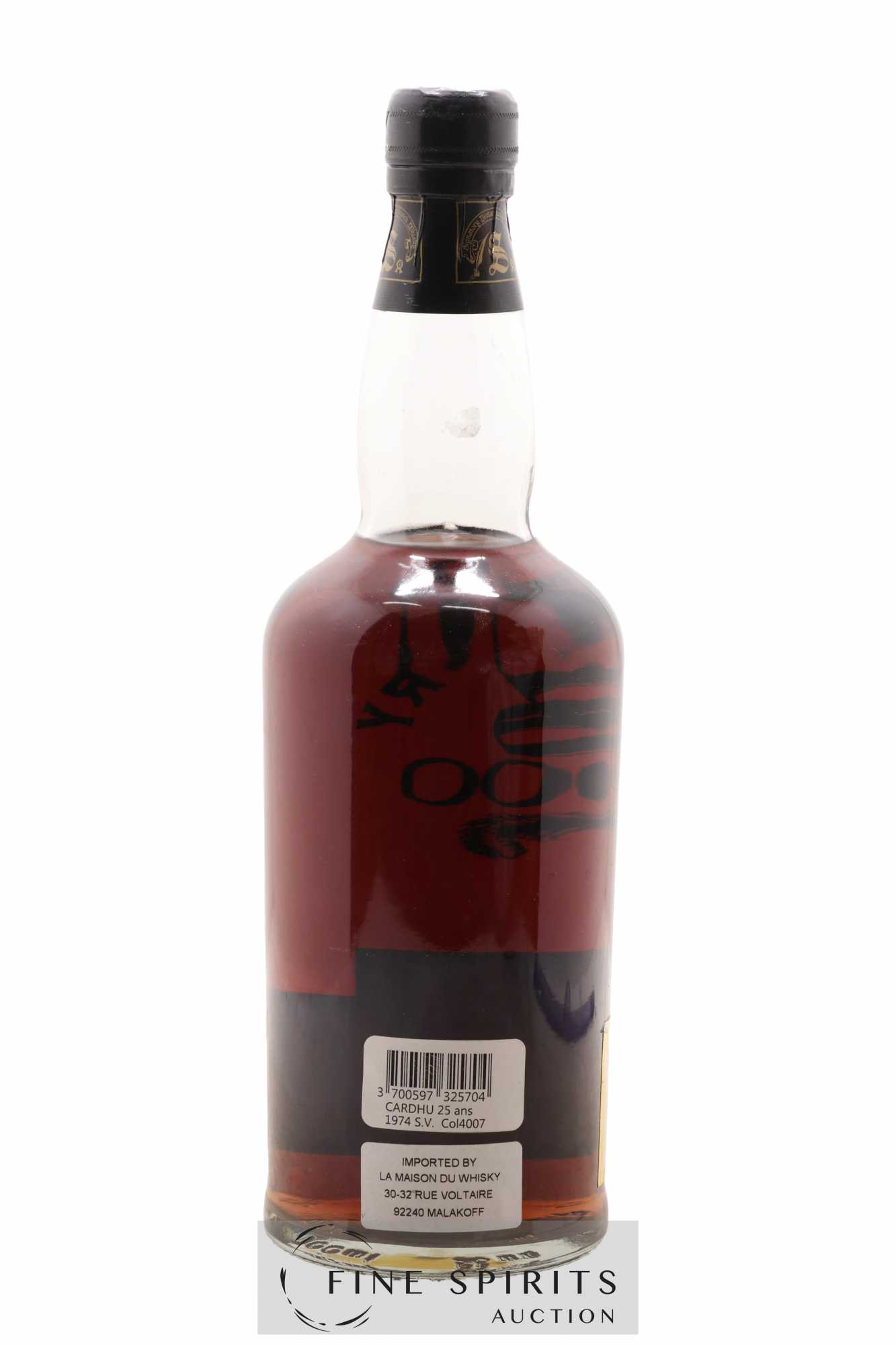
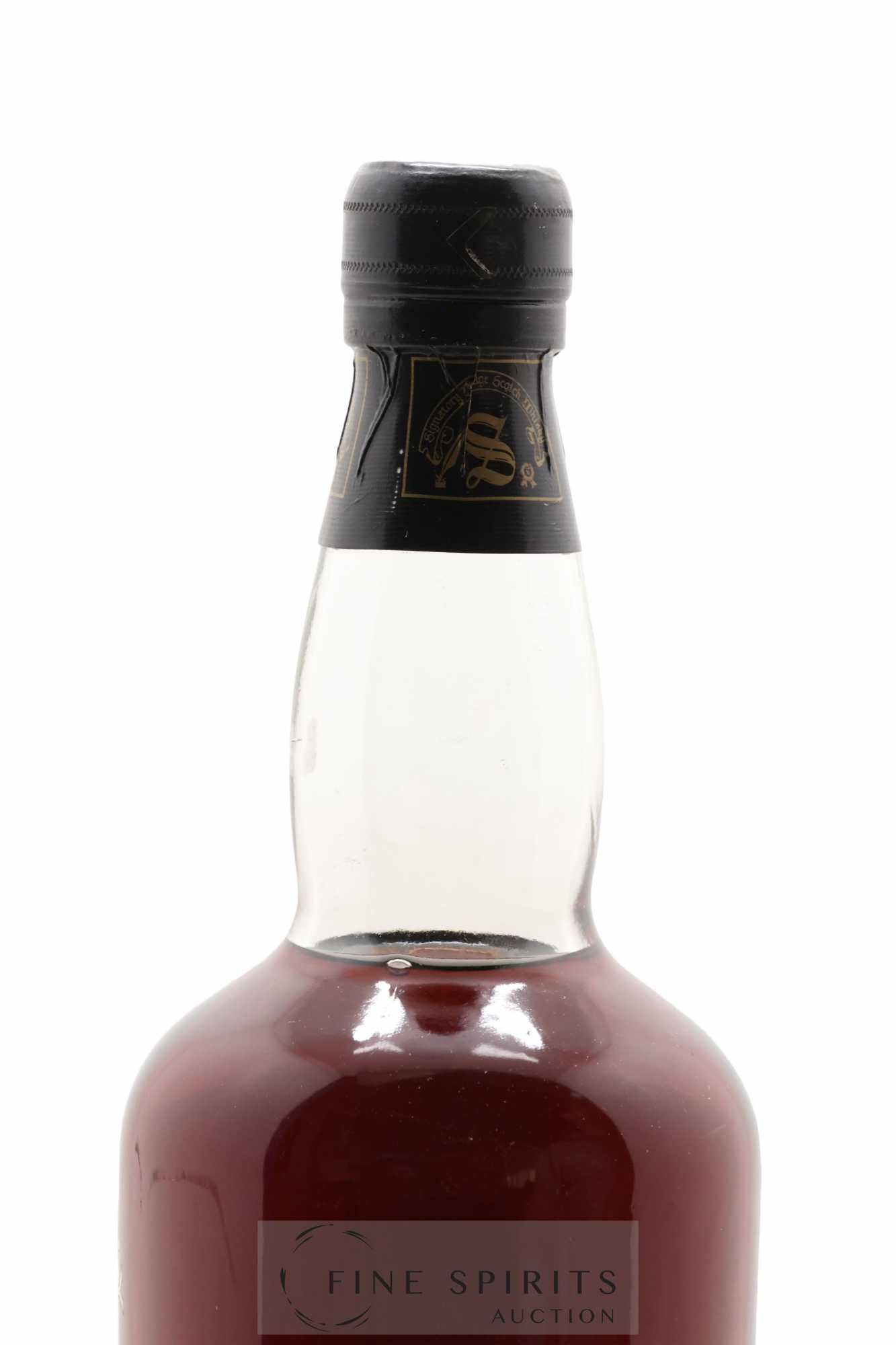
A single cask (#3612) of Cardhu, distilled in 1974, aged in a sherry cask and bottled in 1999. Signatory Vintage's founder Andrew Symington first joined the whisky industry when he began selecting casks for Prestonfield House Hotel in Edinburgh. In 1988, the adventure continued when he founded Signatory Vintage, investing in a small bottling chain set up in his warehouses in Edinburgh. He began releasing editions bottled at cask strength without chillfiltration or colouring, practices that were still rare in the late 1980s. The legendary series of “Dumpy bottles” notably included information previously seldom seen on labels, such as the cask number, cask type and number of bottles. The bottle number was also written by hand. Signatory Vintage developed a strong reputation by selling not only iconic whiskies from well-known distilleries (Springbank, Ardbeg, Laphroaig and Bowmore) but also bottlings from very rare distilleries such as Ben Wyvis, Glen Flagler and Killyloch, and of course the many versions distilled in the Lomond stills of Miltonduff (Mosstowie), Glen Keith (Craigduff, Glenisla) and Glenburgie (Glencraig). Finally, in 2002, Andrew Symington bought the Edradour distillery in Pitlochry, in the Highlands of Scotland. Signatory Vintage was moved to the site, along with its warehouses, which face the distillery. A limited edition of 498 bottles.
The distillery Cardhu (Cardow)
Scotland, Speyside. Distillery operational. Owner: DiageoRanked “first class” by the main players in the Scotch whisky industry, Cardhu (aka Cardow) was, from the late 19th century, the leading malt of the famous Scottish dandy Johnnie Walker. Johnnie Walker & Sons bought the distillery in 1893. In response to the period of prosperity following WWII, Cardhu's production capacity was significantly increased and in the late 1960s, its owners, the Distillers Company Ltd (the future Diageo) launched an 8 year old version with a very marked sherry influence. This bottling was quickly replaced by a 12 year old version that would become the standard age statement for Cardhu, now matured in bourbon casks. In the mid-1980s, Cardhu completed its final metamorphosis and adopted its current small, square, stocky bottle. It was such a success that a major part of its production was quickly reserved for the bottling, threatening the balance on which the Johnnie Walker blend depended. The solution proposed was the release in the very early 2000s of Cardhu 12 Year Old Pure Malt (no longer a single malt). Arousing the ire of the Scotch Whisky Association, this version was phased out and has now become a collectable. Note that very few independent bottlings of Cardhu exist.
Report a problem with this lot ? Report