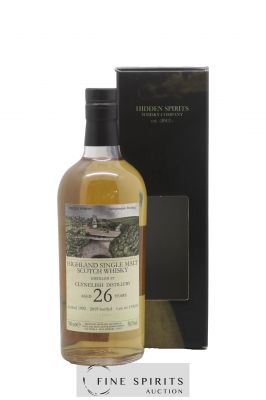
Cuvée presentation
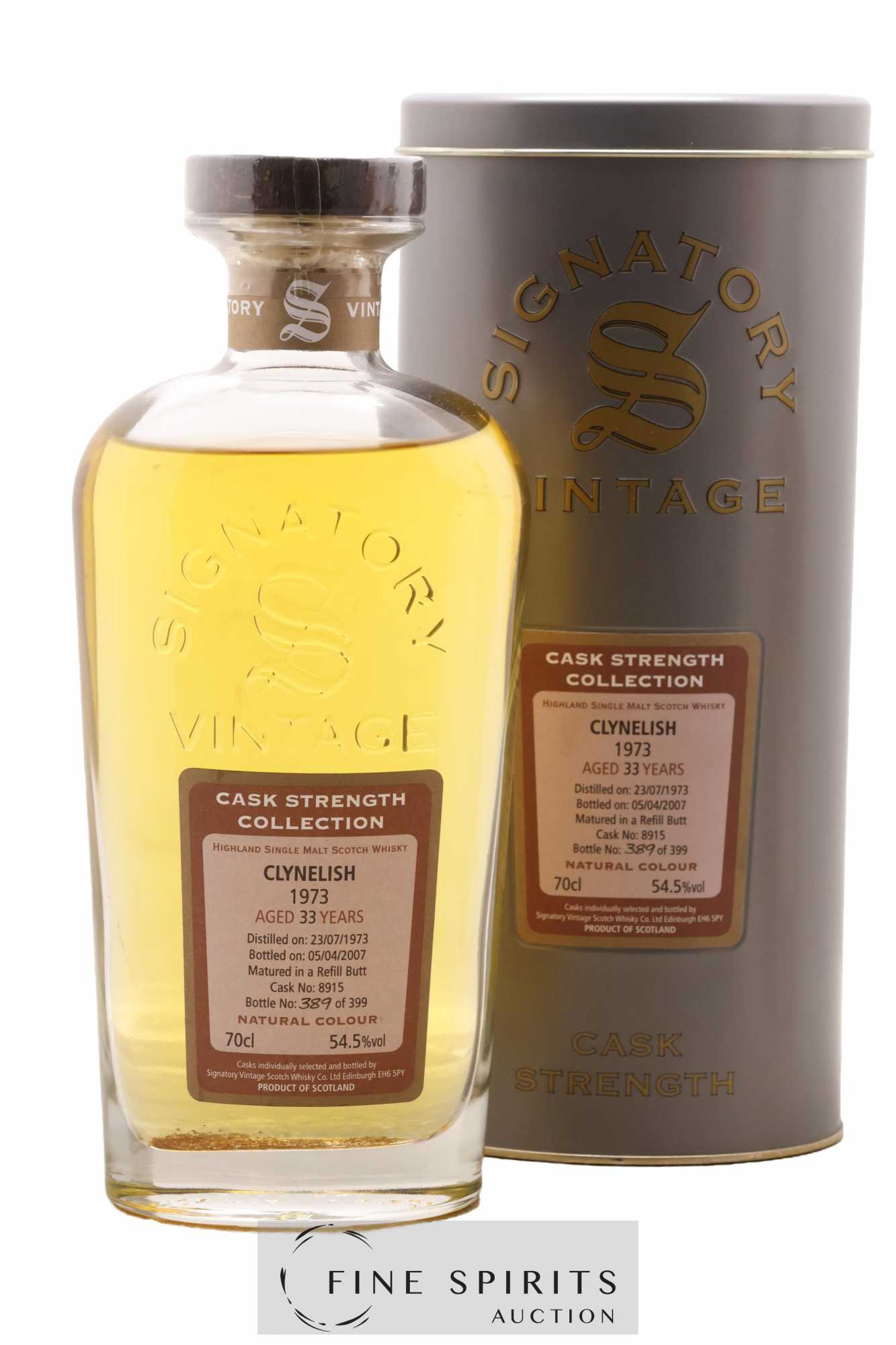
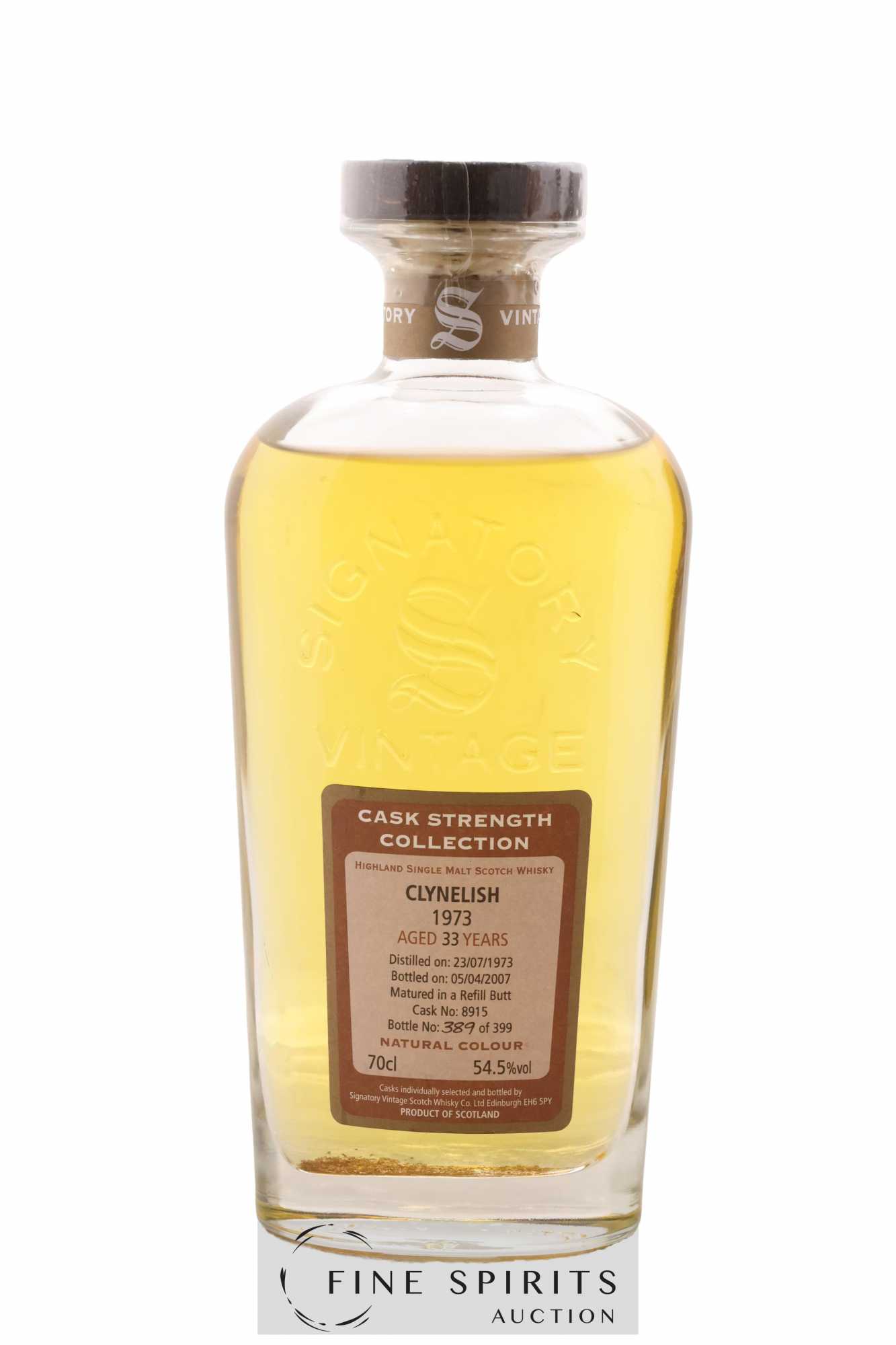
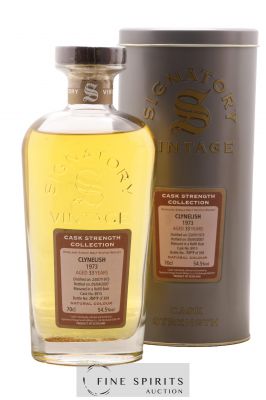
Single cask (#8915) de Clynelish distillé en 1973, vieilli dans un fût de sherry et embouteillé en 2007. Andrew Symington, fondateur de Signatory Vintage, commence son activité dans le whisky en sélectionnant des fûts pour le Prestonfield House Hotel à Edimbourg. C’est ainsi que débute l’aventure d’Andrew Symington dans le whisky et qu’il lance par la suite Signatory Vintage en 1988. Ce dernier investit dans une petite chaîne d’embouteillage qu’il installe au sein de ses chais à Edimbourg. Il commence par embouteiller au degré naturel, sans filtration à froid et sans colorant, ce qui était encore des méthodes peu courantes à la fin des années 1980. La mythique série des « Dumpy bottle » affichait notamment des informations qui, jusque-là, n’étaient pas divulguées par les embouteilleurs comme le numéro du fût, le type de fût, le nombre de bouteilles… Les numéros de bouteilles étaient également inscrits à la main. Signatory Vintage s’est forgé une grande réputation en vendant non seulement des whiskies mythiques provenant de distilleries légendaires (Springbank, Ardbeg, Laphroaig ou Bowmore) mais également en réalisant des embouteillages issus de distilleries extrêmement rares comme Ben Wyvis, Glen Flagler ou Killyloch. Sans oublier les nombreuses versions distillées dans les alambics Lomond de Miltonduff (Mosstowie), Glen Keith (Craigduff, Glenisla) ou Glenburgie (Glencraig). Enfin, en 2002, Andrew Symington fait l'acquisition de la distillerie Edradour, à Pitlochry dans les Highlands. Il y relocalise aussi Signatory Vintage dont les chais font face à la distillerie. Édition limitée à 399 bouteilles.
The distillery Clynelish
Scotland, Northern Highlands. Distillery operational. Owner: Diageo
Founded in 1967 on the site of its renowned colleague Clynelish #1 (renamed Brora in 1969), from which it takes its name, Clynelish began production in June 1968. At the cutting edge of technology, it tripled Brora's production capacity. Like Caol Ila, its peaty alter ego from Islay, the majority of its production was at the time fated to be absorbed by the blend Johnnie Walker. It would not be until 1994 that the first official versions would be released in the Rare Malts Selection for its vintage versions with high ABVs (Clynelish 1972, 23 Year Old, 63%), then in the Flora & Fauna range (Clynelish 14 Year Old, 43%), and finally in the Flora & Fauna Cask Strength range launched in 1997, which introduced a 1982 vintage.Niche and rare in the 80s and 90s, Clynelish was brought into the spotlight by independent bottlers (Gordon & MacPhail, Cadenhead, Signatory Vintage) who took the single malt in hand, offering numerous vintage and aged small batch and single cask versions, such as Clynelish 12 Year Old Orange Label Gordon & MacPhail, Clynelish 28 Year old 1971 Signatory Vintage and Clynelish 1972 Cask Strength Cadenhead.
Report a problem with this lot ? Report